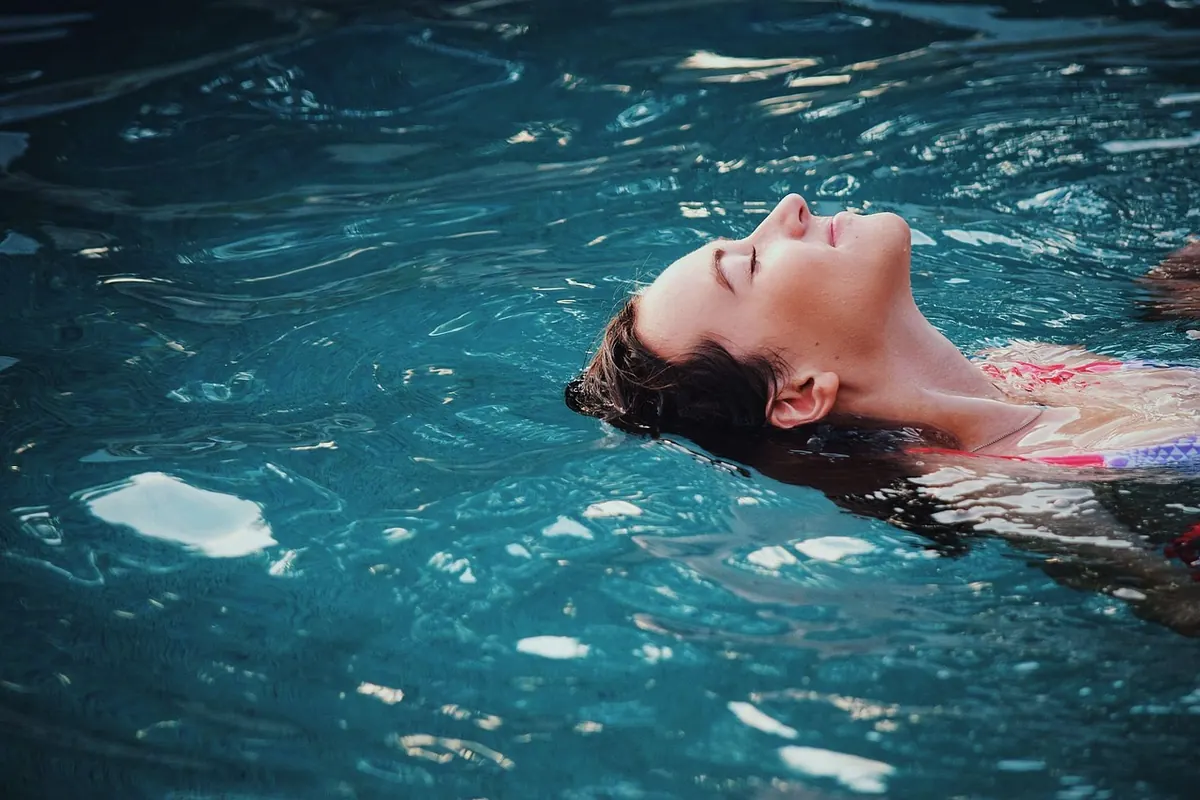
The first step into a British lake in May can feel like a dare. The water bites at your ankles, your breath catches, and every instinct says turn back. Yet cold-water swimming is less about bravado than attention: to your breathing, the bank, the weather, and how quickly your body loses heat. Done sensibly, it can be a curious, grounding habit—one that changes how you feel for hours afterwards.
Start with Safety, Not Stamina
The biggest risks in open water are not distance or speed. They are cold shock, hidden currents, poor exit points and swimming alone. Before you think about stroke technique, build a safety routine.
- Never swim alone. Take a friend who can swim with you or watch from the bank. Tell someone else where you are going and when you expect to be back.
- Check your health first. If you have a heart condition, epilepsy, asthma, diabetes, are pregnant, or take regular medication, speak to your GP before you start. Cold water can affect breathing and heart rate quickly. This is general guidance, not medical advice.
- Choose a known spot. A lifeguarded open-water venue, a popular swimming lake or a supervised river dip is a better first step than a remote tarn.
- Plan your exit before you enter. Wind, waves and currents can move you. Pick a safe place to get out and keep it in sight.
- Respect cold shock. The first thirty seconds can make you gasp and breathe fast. Enter slowly, keep your feet on the bottom if you can, and breathe out steadily. Do not jump or dive in until you know how your body responds.
- Warm up slowly. After you get out, your body can continue to cool—sometimes called afterdrop. Remove wet clothes, dry off, add layers and a hat, and sip a warm drink. Avoid alcohol before and after swimming.
Acclimatise in Small, Repeatable Steps
Cold-water swimming is a skill you build, not a test you pass. The aim is to teach your body that the shock is temporary and manageable.
- Start in late spring or summer, when local water is at its warmest. If you begin in winter, keep the first dip extremely short and stay in the shallows.
- Go shallow first. Wade to your thighs, splash water on your face and neck, and let your breathing settle. Rushing this part rarely helps.
- Keep early dips brief. One or two minutes is plenty for many beginners. You can add time later, when you can breathe calmly and your hands still work.
- Swim regularly. Little and often beats one long, heroic dip. A short weekly visit builds more confidence than a single summer adventure.
- Get out before you feel very cold. Shivering, numb hands and muddled thinking are signs you have stayed too long. Numbness is not a badge of honour.
- Warm up gradually. Walk around, dress in warm layers and let your body return to normal. A hot bath or shower straight away can feel intense; many swimmers prefer to warm up slowly.
Kit That Earns Its Place
You do not need much, but a few items make cold-water swimming safer and more comfortable.
- A swim costume or wetsuit. A wetsuit extends your season and adds buoyancy, but it is not compulsory in many venues.
- A bright swim hat. It keeps you visible and holds in a little warmth.
- Goggles, if you like to see where you are going. In murky water, they can also protect your eyes.
- A tow float. It makes you easier to spot and gives you something to rest on. Some open-water venues ask swimmers to use one.
- Neoprene gloves, socks or booties for colder days. They keep fingers and toes working for longer.
- Warm layers, a changing robe or large towel, a bobble hat and a flask. The after-swim warmth matters as much as the swim.
- A dry bag for phone, keys and clothes. Old trainers or sandals help on stony, muddy or weedy entries.
- A whistle or phone in a waterproof pouch if you are swimming somewhere remote.
Legal Access: Check Before You Strip Off
Access in the UK is not one rule. In England and Wales, there is no general right to swim in every lake or river. Many stretches are private, leased by clubs, or covered by local bylaws. Reservoirs often prohibit swimming. In Scotland, access rights are broader, but they come with responsibilities: respect privacy, follow signs, and do not block gates or paths.
Before you swim somewhere new, check the local council website, National Park authority, landowner or open-water venue. Ask a local wild swimming group what is accepted. If a sign says no swimming, treat it as no. A footpath beside water does not automatically mean you can enter the water. If access is unclear or disputed, seek proper legal advice rather than guessing.
Read the Water
Lakes and rivers behave differently. A flat lake can still have cold layers, sudden shelves and weeds. Wind can push you away from the bank faster than you expect. Rivers add current, changing depth, submerged trees, weirs and locks. After heavy rain, they can carry more pollution and run faster.
Lakes
Look for a sheltered entry, check for boat traffic and anglers, and avoid swimming near blue-green algae. If the water looks like pea soup or has a green scum, stay out.
Rivers
Walk the bank first. Find a calm eddy and an easy exit. Avoid weirs, locks, bridge supports and anything that could trap you. If the water is high, fast or brown after rain, save the swim for another day.
If the water looks uninviting, that is often the right instinct. CuriosityPhoto: Pexels / Pixabay